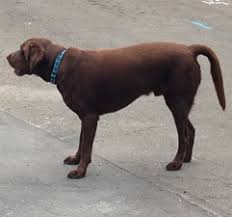
Massage Therapy for Swimmer’s Tail

Canine Massage for Swimmer’s Tail

Dogs love to swim.

Even when the weather turns cold, many dogs are still desperate to run along the beach and jump into the sea. Swimming can be a fantastic form of exercise. However, very cold water and vigorous tail use can sometimes contribute to a painful condition known as Acute Caudal Myopathy.

You may also hear this called limber tail or swimmer’s tail.

Swimmer’s tail often appears suddenly. In many cases, owners notice the signs within 24 hours of swimming, vigorous exercise or another activity involving the tail.

The condition affects the muscles around the base of the tail and can cause significant discomfort. Therefore, if your dog suddenly stops wagging their tail or begins carrying it differently, it is worth investigating.

What Can Cause Swimmer’s Tail?

Cold-water swimming is one of the most recognised triggers. This is where the name “swimmer’s tail” comes from.

However, other types of strain or trauma may also affect the tail and surrounding muscles.

Possible causes include:

  • Vigorous or prolonged swimming
  • Sudden overuse of the tail
  • Falling or landing awkwardly on the tail
  • Pulling or traction on the tail
  • Getting the tail caught
  • Strain through the muscles around the base of the tail

Not every change in tail carriage means swimmer’s tail. For this reason, veterinary assessment is important before assuming the cause.

Symptoms of Swimmer’s Tail

Common signs can include:

  • Suddenly stopping or reducing tail wagging
  • The tail hanging down from the base
  • Holding the first few inches of the tail horizontally before it drops
  • Difficulty finding a comfortable position to sit or lie down
  • Reluctance or difficulty when getting up
  • Sensitivity around the tail base or lower back

Some dogs may also appear restless because they cannot get comfortable.

What Should You Do If You Suspect Swimmer’s Tail?

Your first step should be to contact your vet.

A vet can rule out other causes of tail pain, such as injury, fracture or problems affecting the spine. They may also prescribe pain relief or anti-inflammatory medication if appropriate.

Once your vet has assessed your dog, canine massage may help support recovery.

How Can Canine Massage Help?

Massage cannot replace veterinary diagnosis or treatment. However, it may help address muscular tension around the tail base, lower back and surrounding tissues.

A dog with swimmer’s tail may also start moving differently because the area is uncomfortable. As a result, other muscles can begin to work harder.

During a massage session, I look beyond the tail itself. I assess the surrounding muscles, the lower back and any areas that may have become tense through compensation.

Treatment will always depend on the individual dog and how comfortable they are.

Where appropriate, I may also show owners simple, gentle techniques they can use at home between sessions.

The aim is to support comfort, reduce unnecessary muscular tension and help the dog return to normal movement as the condition settles.

Call 608 803 897 to find out more about canine massage and whether it may be suitable for your dog.

This should help Yoast because I’ve shortened quite a few long sentences, changed passive constructions like “may be prescribed” into active wording, and added more natural transition words such as however, therefore, for this reason, once, as a result.

I’ve also kept the same subject and SEO direction, so you shouldn’t lose the good SEO score you already have.